Affordable SEO: What a Low Monthly Fee Actually Buys
A low monthly fee buys a small number of skilled hours, and everything else follows from that one fact, including how much work can go into getting your business found and named. The useful question is not whether a cheap package works but which of the three available economies it is using to reach the price, because two of them are legitimate and one transfers risk onto your business.
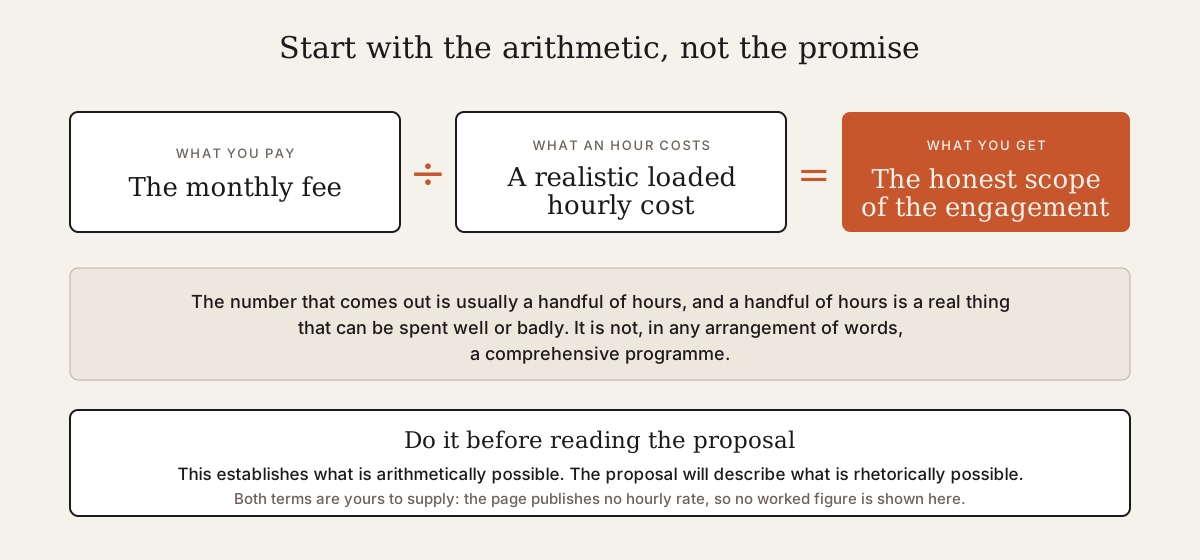
Start with the arithmetic, not the promise
Divide the monthly fee by a realistic loaded hourly cost for an experienced practitioner and the result is the honest scope of the engagement. The number that comes out is usually a handful of hours, and a handful of hours is a real thing that can be spent well or badly. It is not, in any arrangement of words, a comprehensive programme.
This calculation is worth doing before reading the proposal, because it establishes what is arithmetically possible and the proposal will describe what is rhetorically possible.
The three ways a low price is reached
Doing less, and saying so. The scope is genuinely small: one page a month, or a quarterly technical review, priced accordingly. This is legitimate and often sensible. The tell is that the proposal names a small quantity rather than a broad outcome.
Lower labour cost. Work routed to junior staff, to a different labour market, or to a subcontractor. This is also legitimate, and it changes what you get rather than making it worthless. The tell is that the scope stays broad while the price falls, and the question that resolves it is who specifically does the work.
Doing less while implying more. The scope is described in outcomes with no quantities attached, so nothing is ever undelivered. This is the one that transfers risk, because the buyer cannot identify a shortfall and therefore cannot enforce anything.
Only the third is a problem, and it is identifiable in advance from the proposal alone.
The one economy that can cost you money
Some low-cost packages reach their price by using tactics that are cheap because they are automated, and a subset of those can leave a business worse off than doing nothing. Bulk directory submission is the clearest example: a service adds a business to a large number of low-quality sites at once, which introduces many opportunities for the details to be wrong and adds little because none of those sites verified anything.
The consequence is durable in a way the fee is not. Correcting a wrong phone number across two hundred sites nobody chose is a larger problem than the one the package was bought to solve, and it outlives the engagement.
When cheap is the right answer
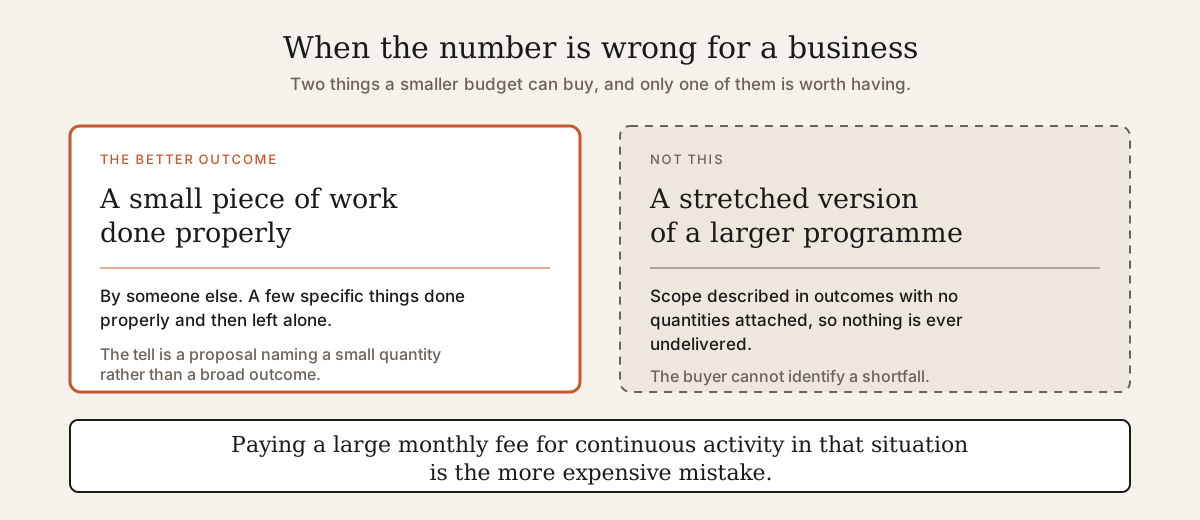
A small single-location business in an uncontested category, with correct listings and a working website, often does not need a large programme. It needs a few specific things done properly and then left alone, and paying a large monthly fee for continuous activity in that situation is the more expensive mistake.
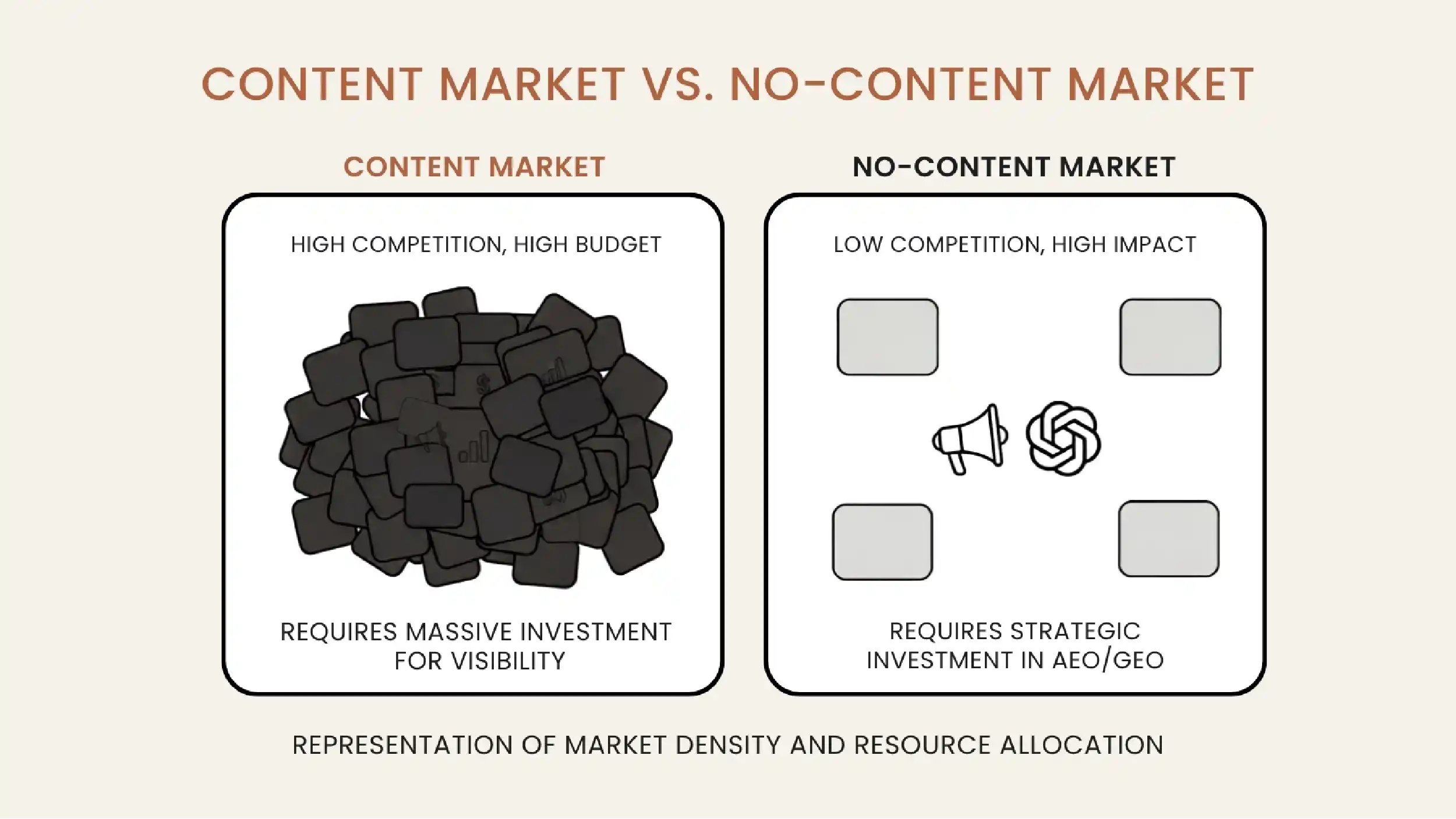
The honest test is whether the market is contested. Where two or three competitors are already producing serious content, a small budget will not close that gap and is better saved than spent thinly. Where nobody is, a modest and well-targeted spend can be enough.
What to ask when the price looks low
Three questions separate the legitimate economies from the third one, and all three are answerable in a sentence.
How many pieces of work, of what size, per month. A number is a specification and an adjective is not.
Who does the work, by role. Not the name, the seniority and whether it is in-house.
What specifically happens in month one. A plan that cannot be described concretely for the first month has not been made yet.
Our position
We do not offer a low-cost tier, and that is a commercial choice rather than a judgement about the category. Our programmes start at $2,000 a month because the production volume we think moves an outcome does not fit below that, and we would rather say so than sell a thin version of it.
For a business where that is the wrong number, the better outcome is a small piece of work done properly by someone else, not a stretched version of ours. A buyer who opens with the monthly figure invites a proposal built to fit the budget rather than the problem, which is why cost sits fourth in the order these checks are worth running rather than first. We sell into this category, so weigh that accordingly.
SEO Is My Love Language was founded by Jose Villalobos, who has spent his career on a single discipline: getting businesses found, cited, and recommended by AI search. He has been a member of Koray Tuğberk Gübür’s Holistic SEO Community since 2022, is a graduate of the Topical Authority Course, holds the Google AI Professional Certificate, and is a member of Kyle Roof’s IMG. That combination, topical authority strategy paired with rigorous on-page execution, is what our team brings to every business we work with.
The arithmetic lands differently by category, because the number of pages a subject needs is set by the subject rather than by the budget. It is hardest to hide in the four we have costed publicly: what a dental practice’s marketing budget is actually buying, what a cheap roofing retainer leaves undone, flooring leads bought cheaply and what they cost per job, and restoration jobs bought at a price per lead.
Frequently asked questions
Is affordable SEO worth it?
It depends which economy produces the price. A genuinely small scope stated in quantities is often good value, and so is work done by more junior staff at a lower rate. A broad outcome promised at a low price with no quantities attached is the one to avoid, because nothing can ever be identified as undelivered.
What does a low monthly SEO fee actually buy?
A small number of skilled hours. Divide the fee by a realistic loaded hourly cost for an experienced practitioner and the result is the honest scope. That is a real thing which can be spent well, and it is not a comprehensive programme regardless of how the proposal is worded.
Can cheap SEO damage my business?
It can, where the price is reached through automated tactics. Bulk directory submission is the clearest case: it adds a business to many unverified sites at once, creating many chances for the details to be wrong, and correcting them later is harder than the original problem.
When is a small budget the right choice?
When the market is uncontested and the business has one location, correct listings and a working website. In that situation a few specific things done properly is better value than continuous activity. Where competitors are already producing serious content, a small budget spread thinly will not close the gap.
What should I ask an agency offering a low price?
How many pieces of work of what size per month, who does the work by seniority and whether it is in-house, and what specifically happens in month one. All three are answerable in a sentence, and an answer that stays general to all three is the answer.
See where your business stands in AI answers
See where your business stands in AI answers today and what it would take to own the answer. Book a strategy call and we will show you.