Flooring Leads: How Independent Flooring Retailers Actually Get Them
A flooring lead is a potential customer who has signaled they want flooring work and given you a way to reach them. There are two honest ways to get them. You can buy them from a lead vendor, or you can earn them by being the flooring business that Google ranks and AI search recommends. Both put jobs on your calendar. Only one builds something you keep. This page covers how flooring leads actually work now, what they cost, when buying makes sense, and why the businesses winning the next few years are the ones an AI assistant names when a homeowner asks who to call.
Here is the part the lead-selling pages will not tell you. When we pulled the live search results for “flooring leads,” the top of the page was a stack of vendors selling you leads by the piece, plus a guide on getting them for free. Google also served an AI Overview above all of it. Not one of those vendors said a word about how to appear in that AI answer. That gap is the opportunity, and it is what this page is about.
What a Flooring Lead Actually Is (and What It’s Worth)
A flooring lead is worth exactly what it converts to, not what you pay for it. Two leads at the same price can be worth wildly different amounts depending on whether they are exclusive to you, how ready the person is to buy, and whether the job matches the work you actually want. Before you spend a dollar chasing leads, it helps to be precise about what you are buying.
Exclusive vs shared / non-exclusive leads
The single biggest difference between one flooring lead and another is how many businesses get it. An exclusive lead is sold to you and only you. A shared or non-exclusive lead is sold to several flooring businesses at once, which means you are racing three or four competitors to the phone, and the homeowner is fielding calls from all of you. Shared leads are cheaper for a reason. They convert at a lower rate, they train the customer to shop on price, and they turn your sales process into a speed contest. Exclusive leads cost more up front and are usually worth it, because you are buying a conversation instead of an auction.
What contractors really pay per lead
There is no single price for a flooring lead, because the number is set by your market, the job type, and whether the lead is exclusive. As a real reference point, one national flooring-lead vendor, 99Calls, advertises exclusive flooring leads starting around 34 dollars each. In competitive metros and for high-value jobs, the price climbs from there. The figure that actually matters is not cost per lead but cost per signed job, which folds in your close rate and the share of leads that turn out to be real. A business paying more per exclusive lead and closing half of them is far better off than one buying cheap shared leads it never signs. Judge the spend against the jobs it produces, never against the sticker price of a single lead.
SEO Is My Love Language was founded by Jose Villalobos, who has spent his career on a single discipline: getting businesses found, cited, and recommended by AI search. He has been a member of Koray Tuğberk Gübür’s Holistic SEO Community since 2022, is a graduate of the Topical Authority Course, holds the Google AI Professional Certificate, and is a member of Kyle Roof’s IMG. That combination, topical authority strategy paired with rigorous on-page execution, is what our team brings to every business we work with. We do not sell leads, which is exactly why we can be straight with you about when buying them is smart and when it is money you will wish you had spent building something you own.
The Two Ways to Get Flooring Leads
Every flooring lead you will ever get comes from one of two places. You either rent access to demand someone else created, or you become the business that demand comes looking for. Most owners lean entirely on the first because it is fast. The strongest businesses use it as a supplement while they build the second.
Buying leads: the vendor model
Lead vendors sell you access to homeowners who searched for flooring work. Service Allies generates flooring leads and routes them to contractors with a lead-management dashboard. 99Calls sells exclusive flooring leads on a per-lead basis with no long contract. Marketplaces and directories work a similar way, matching a homeowner’s request to businesses that pay to receive it. The appeal is obvious. You switch it on and leads arrive, with no waiting for a marketing program to mature. The catch is equally real. You are renting the demand for as long as you pay, the moment you stop the leads stop, and with shared leads you are often paying to compete against the same businesses on every call. Some of these platforms also add a monthly subscription on top of the per-lead price, and many blur the line between an exclusive lead and a shared one in their sales pitch, so read exactly what you are buying before you sign. Buying leads is a tool. It is not a foundation.
Earning leads: getting found, cited, and recommended
The other way is to become the flooring business that shows up on its own. When a homeowner searches for flooring, reads reviews, or asks an AI assistant to recommend someone, an earned lead is one that arrives because your business was the answer. Earning leads is slower to build than switching on a vendor feed, and that is the honest trade-off. But an earned lead costs nothing per piece once the foundation is in place, it is exclusive to you by nature, and it compounds. Every month of building visibility makes the next month’s leads easier. You are not leasing a spot. You are building an asset that keeps producing.
Where Flooring Leads Come From Now
Earned flooring leads are not magic. They come from a handful of channels that a homeowner actually moves through, and each one is something you can build deliberately. The full program behind them is its own subject, and we lay it out in our guide to flooring marketing. Here is where the work pays off.
Google Business Profile and local search
For a flooring business, your Google Business Profile is often the first thing a nearby homeowner sees, and it drives a large share of local calls. A complete, active profile with real photos, current information, and a steady flow of reviews shows up in the map results when someone searches for flooring in your area. This is the closest thing to free lead generation that exists, and most flooring businesses treat it as an afterthought. Getting it right is table stakes, and it is where any serious lead program starts.
Reviews and referrals
Flooring is a high-trust, high-cost purchase, and homeowners lean hard on the experiences of people who came before them. A steady stream of genuine reviews does two jobs at once. It lifts your local rankings, and it closes the customer who is deciding between you and the next business. Referrals work the same way through a personal channel. Both are earned leads in the truest sense, and both are strengthened, not replaced, by the visibility work everything else on this page describes.
Paid search and Local Services Ads
Paid channels put your business at the top of the page for as long as you fund them. Google Ads and Local Services Ads can deliver leads quickly, which makes them useful for filling a slow week or launching in a new area. Local Services Ads in particular charge per lead and show a verified badge, which many flooring businesses find worth the cost. The same limit applies as with lead vendors, though. The visibility ends the day the budget does, so paid search is best used as the fast layer on top of an owned foundation, not as the whole plan.
AI search: being the business the assistant names
A growing share of homeowners now start by asking an AI assistant. They type full questions in plain language, things like “who is a good flooring company near me” or “should we get vinyl plank or laminate and who installs it well.” The assistant answers in prose, and if it names businesses, those businesses just skipped the entire shopping-around stage and arrived as the recommendation. This is the newest and least contested source of flooring leads, and almost no flooring business is built to appear in it. Getting named is a function of being the clear, complete, trustworthy source on your subject, which is exactly the foundation that also wins Google. Plant your flag here now and you will be very hard to dislodge later.
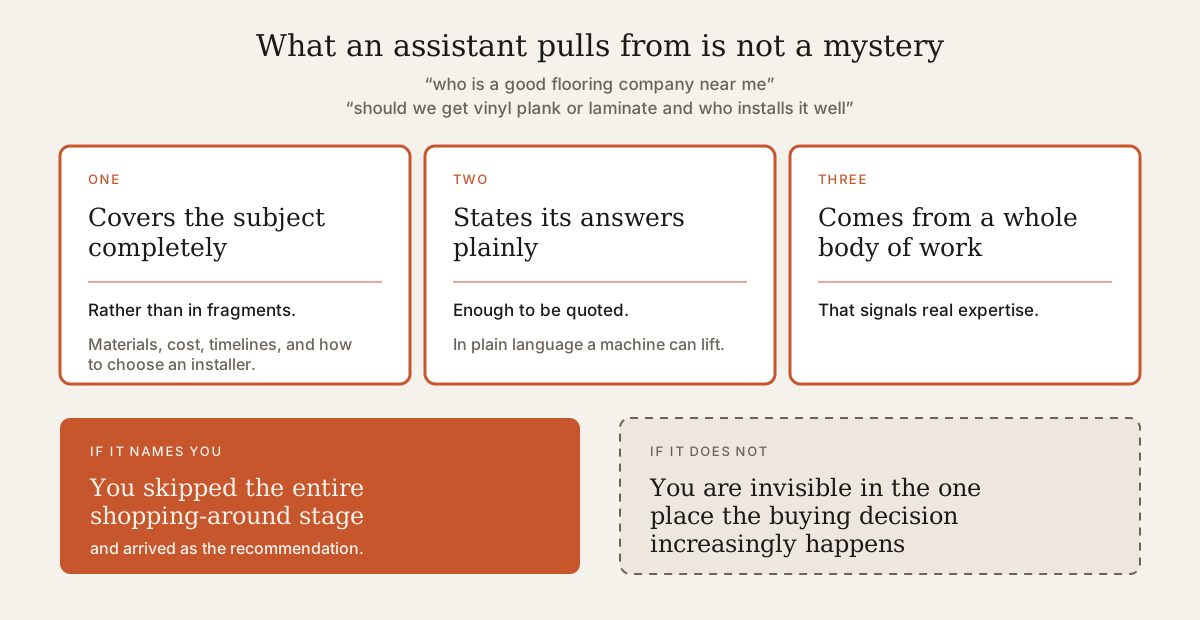
What an AI assistant pulls from is not a mystery. It assembles its answer from sources it has judged authoritative and clearly written on the subject, which in practice means content that covers flooring completely rather than in fragments, states its answers plainly enough to be quoted, and comes from a business whose whole body of work signals real expertise. For a flooring business, that means thoroughly answering the questions homeowners actually ask, about materials, cost, timelines, and how to choose an installer, in plain language a machine can lift. Do that and you become the source the assistant reaches for. Skip it and you are invisible in the one place the buying decision increasingly happens, no matter how good your actual installs are.
Buy or Earn? The Honest ROI
The right answer is usually both, in the right order and the right proportion. Buying leads and earning them are not enemies. They solve different problems on different timelines, and the mistake is treating one as the entire strategy.
When buying leads makes sense
Buying leads is the right move when you need work now, when you are launching in a market where nobody knows you yet, or when you have a slow stretch to fill and the math on cost per signed job still works. If your intake is sharp and you close what you buy, exclusive leads can be a genuinely profitable way to keep the calendar full while your owned visibility is still growing. There is no shame in buying leads. The mistake is buying them forever and calling it a strategy.
Seasonality is part of this calculus. Flooring demand rises and falls through the year, and a slow stretch is exactly when buying a handful of exclusive leads to bridge the gap can pay for itself. The trap is letting a slow season harden into a permanent lead-buying habit, where you are still renting demand a year later because you never used the busy months to build the visibility that would carry you through the next slow one. Buying leads should smooth the dips while the owned engine grows, not become the engine itself.
Why bought leads never compound
Here is the hard limit that no amount of vendor spend removes. A bought lead is a one-time purchase. You pay, you get one shot, and then it is gone with nothing left behind except the job you signed. Next month you start at zero and pay again. Shared leads are worse, because you are paying to compete against the same businesses on the same customer. Earned visibility works the opposite way. The content and authority you build this month are still working next year, they belong to you, and they get stronger over time. Our stance is blunt. Renting leads by the piece keeps you on a treadmill, and the flooring businesses that win their markets are the ones that got off it by becoming the answer instead of buying access to it.
How We’d Build Your Owned Flooring-Lead Engine
We do not sell leads and we do not run a lead marketplace. What we do is build the AI-search visibility that makes your flooring business the one that gets found, cited, and recommended, so the leads arrive on their own and belong to you. That means complete, well-structured coverage of what your customers actually search and ask, pages built with the on-page rigor that earns rankings, and the topical authority that gets a business named inside AI answers. It is the same foundation that lifts your Google Business Profile, feeds your reviews strategy, and makes any paid spend convert better. You keep buying leads if and when the math works, and if you are weighing whether to hand the marketing to an outside firm, we cover the flooring marketing agency decision separately. But underneath it, you are finally building the engine that produces leads you do not have to rent.
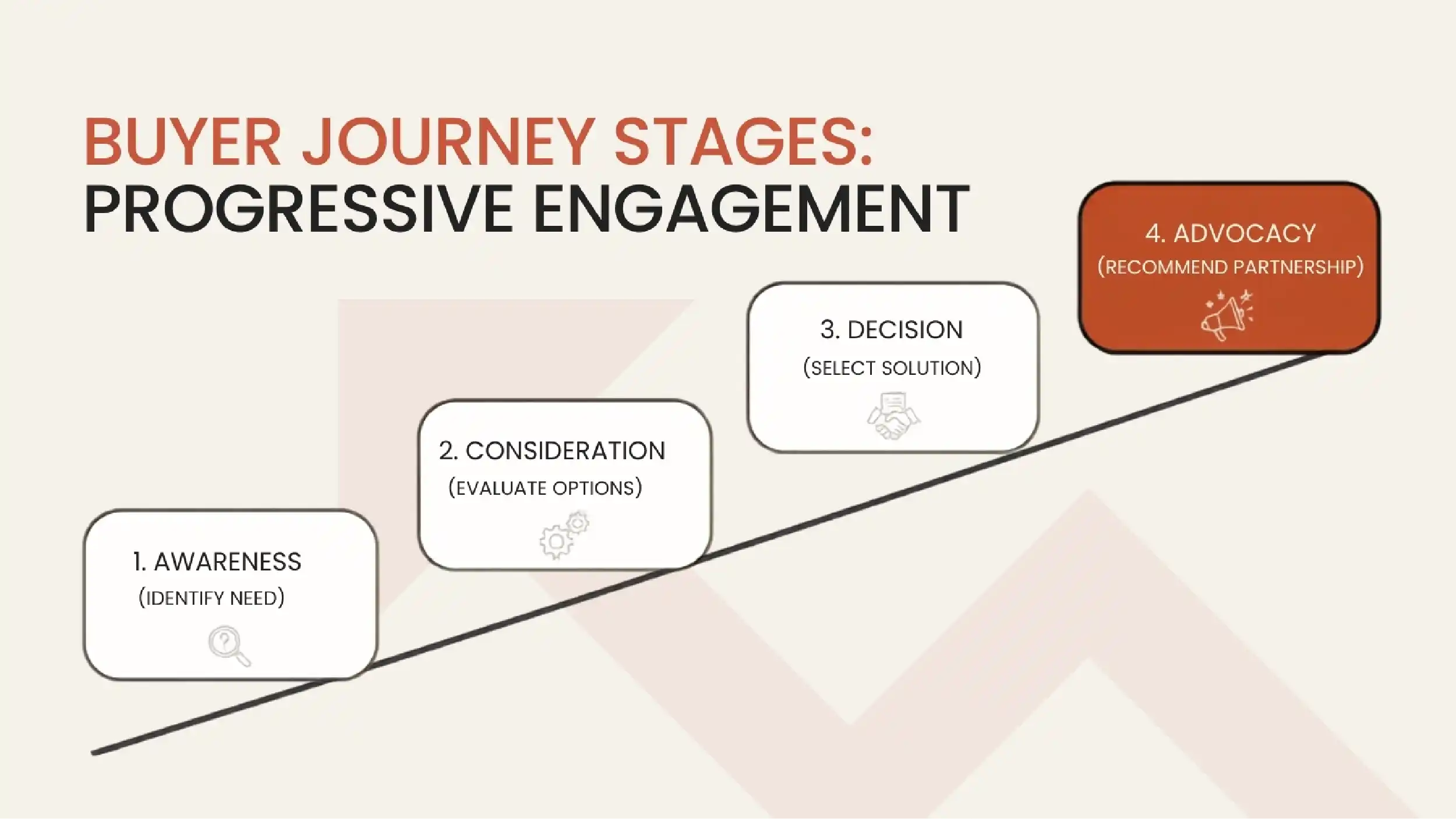
In practice that looks like a deliberate program, not a scattered blog. We map the full set of topics a flooring buyer moves through, from the first material question to the moment they choose who installs it, and build a connected set of pages that covers them completely and correctly. Those topics are the questions a homeowner actually asks, in the order they arrive. The first of them is asked before any of the rest and most flooring sites never answer it, which is whether you are a candidate for this job at all: how far you travel and what changes past it, whether you fit what you sell or only supply it, the smallest floor you will lay, how soon you can actually start, whether you run the commercial business or the domestic one, and the floors and substrates you will not lay. Then, before a single invoice exists, what you ask for before the van arrives. Before a price exists there is the part of the quote that cannot be seen yet and the reason the material has to sit in the room first. Choosing runs through the difference between what a shop stocks and what it can order and what a showroom visit is actually for. Then the quote: why a floor priced by the square foot costs more than the square feet, and what installation included does not include. Then who does the work: who the crew actually answers to and which of the two companies on the invoice you are contracting with. Then what happens if it goes wrong: how the fitting can destroy the warranty you paid for and why a one year warranty does not cover a two year fault. And last, checking the business itself: why every review was written on the day the floor looked best and why a reference on oak says nothing about vinyl. Each page is structured so that a search engine and an AI assistant can lift a clean, accurate answer straight from it, and the whole set signals to both that your business is the authority on flooring in your market. That authority is what raises your local rankings, what makes your reviews land harder on a homeowner who is deciding, and what gets your name into the AI answer when someone asks who to call. It is slower to build than switching on a vendor feed, and that is the honest trade-off. It is also the difference between chasing leads every month and having them come to you, which is the position every flooring business we work with is trying to reach.
The complete version of this, written out page by page, is the programme we would build for a Sacramento flooring company.
The channels themselves are covered one at a time, because they behave differently and are usually funded in the wrong order: flooring SEO and the second job it now has, the map pack and the radius that caps it, paid search and the day it stops working, and what a website has to carry before any of them pay off.
Frequently Asked Questions
How do flooring businesses get leads?
Flooring businesses get leads in two ways: they buy them from lead vendors and marketplaces, or they earn them by being found through local search, reviews, referrals, paid ads, and AI recommendations. Buying is faster and earning is durable. The businesses with the fullest calendars usually do both, using bought leads to fill gaps while they build the owned visibility that produces leads they do not have to pay for per piece.
How much do contractors pay for flooring leads?
It depends on your market, the job type, and whether the lead is exclusive to you. As a reference point, one national vendor advertises exclusive flooring leads starting around 34 dollars each, and the price rises in competitive metros and for higher-value jobs. The number that matters is cost per signed job, not cost per lead, because a slightly pricier exclusive lead you actually close is worth far more than a cheap shared lead you never sign.
Are bought flooring leads worth it?
They can be, if the leads are exclusive and your intake closes them. Bought leads deliver speed and immediate volume, which is genuinely valuable when you need work now or you are new to a market. The catch is that they never compound. You pay again every month and start from zero, and shared leads make you compete against several businesses for the same customer. Buy them as a supplement, not as your whole strategy.
How do we get flooring leads for free?
The closest thing to free leads comes from the channels you own: a complete, active Google Business Profile, a steady flow of genuine reviews, referrals from past customers, and content that answers what homeowners search. None of it is truly free, since it takes real work to build, but once it is in place it produces leads without a per-lead charge and it keeps working over time. That owned visibility is the foundation everything else sits on.
How does AI search send a flooring business leads?
When a homeowner asks an AI assistant to recommend a flooring business, the assistant names the sources it has decided are authoritative and clear on the subject. If your business is that source, you are handed the customer as a recommendation, skipping the comparison stage entirely. Getting named is a function of complete, trustworthy, well-structured coverage of your topic, which is the same work that earns Google rankings. It is the newest and least contested source of flooring leads today.
Get Found by AI Search
The flooring businesses that dominate their markets in the next few years will be the ones the AI answer names, not the ones renting leads by the piece. That advantage is being built right now, quietly, by the businesses that understood the shift early. See how we would get your business found, cited, and recommended by AI search, so your leads arrive on their own and belong to you. Book a strategy call and we will show you exactly where your business stands today and what it would take to stop renting leads and start owning them.