Publishing Which Insurance Plans You Accept
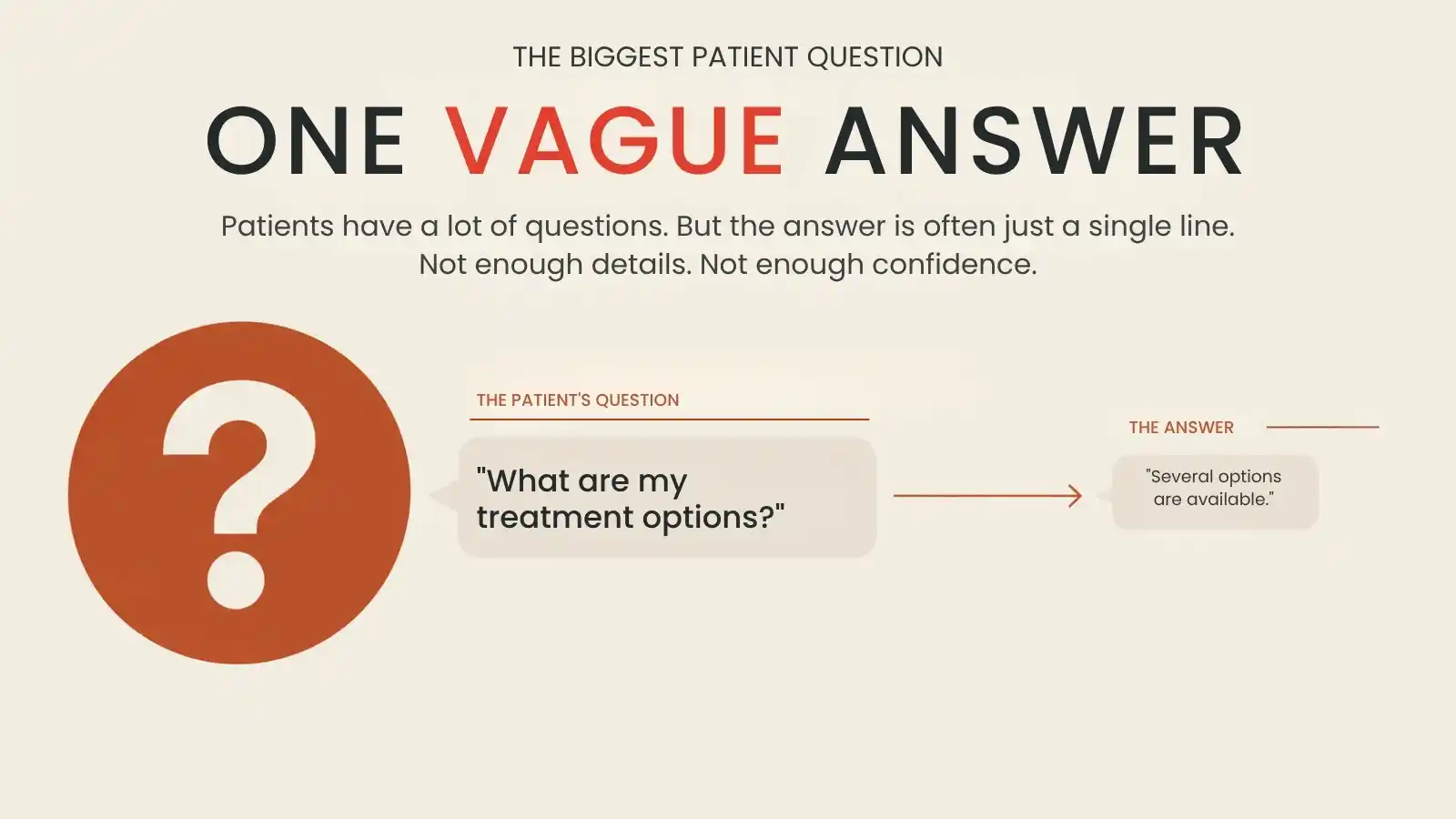
Which insurance plans a practice accepts is the strongest single thing patients try to resolve before booking, and it is answered on most practice sites with one line saying most plans are accepted. Plans stated by name are also what a practice needs in order to be found when a patient searches by insurer. In our reading of how assistants describe choosing a dentist, insurance appeared more often than any other attribute, ahead of reviews, location and clinical scope. A vague line where the dominant question sits is the most expensive omission on a dental website.
In network is a different claim from accepted
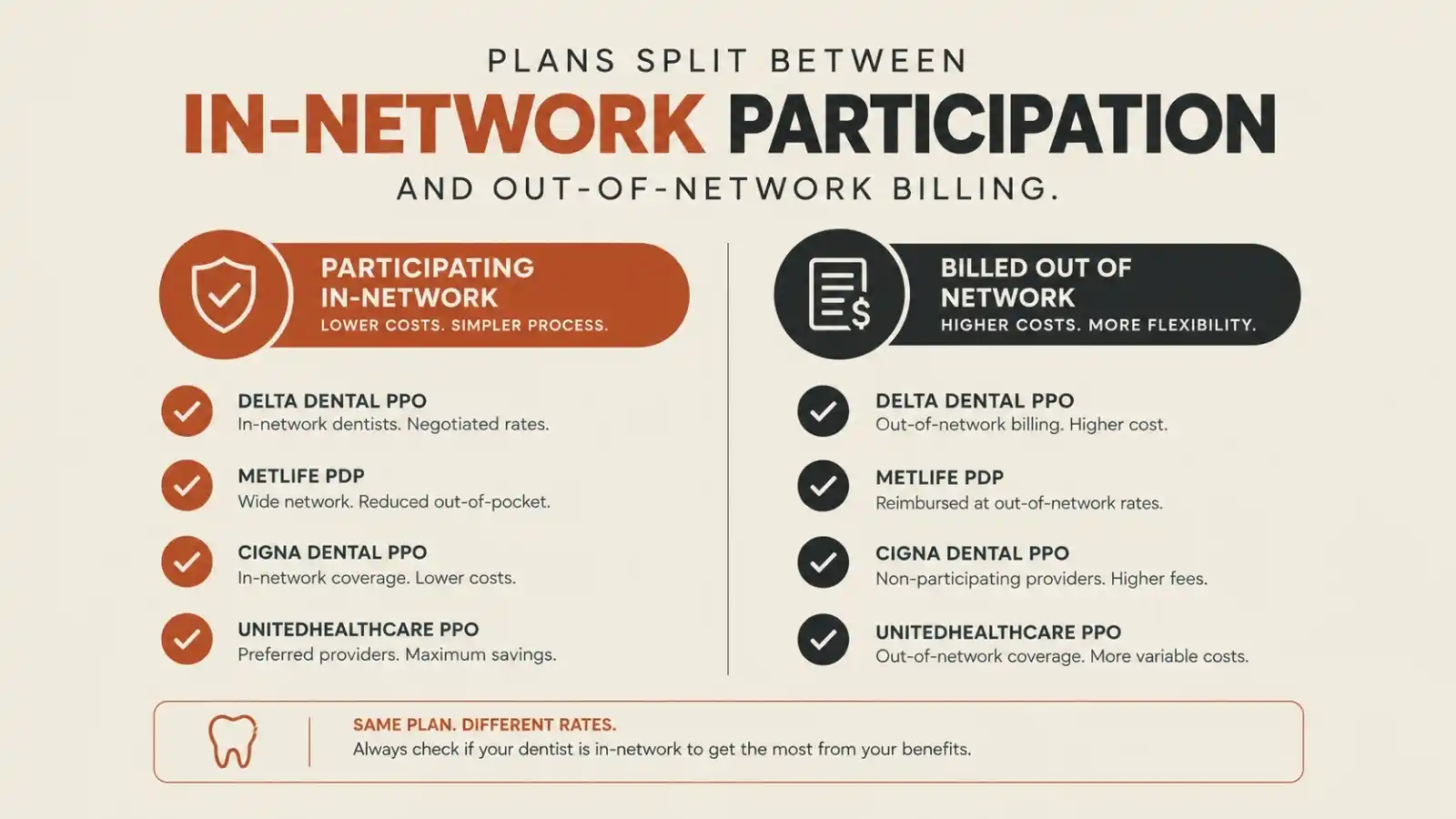
A practice can accept a plan while being out of network on it, and the two produce very different bills. Patients frequently do not know the distinction and read accepted as covered, which sets up the complaint that arrives after the first statement rather than before the first visit.
Publish the distinction. Naming the plans the practice is in network with, separately from plans it will bill as an out of network provider, resolves a question the patient cannot resolve any other way and prevents the worst version of a first appointment.
What most plans are accepted actually communicates
Nothing checkable, and readers know it. The phrase appears on so many practice sites that it has stopped carrying information, and a patient who reads it still has to call, which is the step the sentence was written to remove.
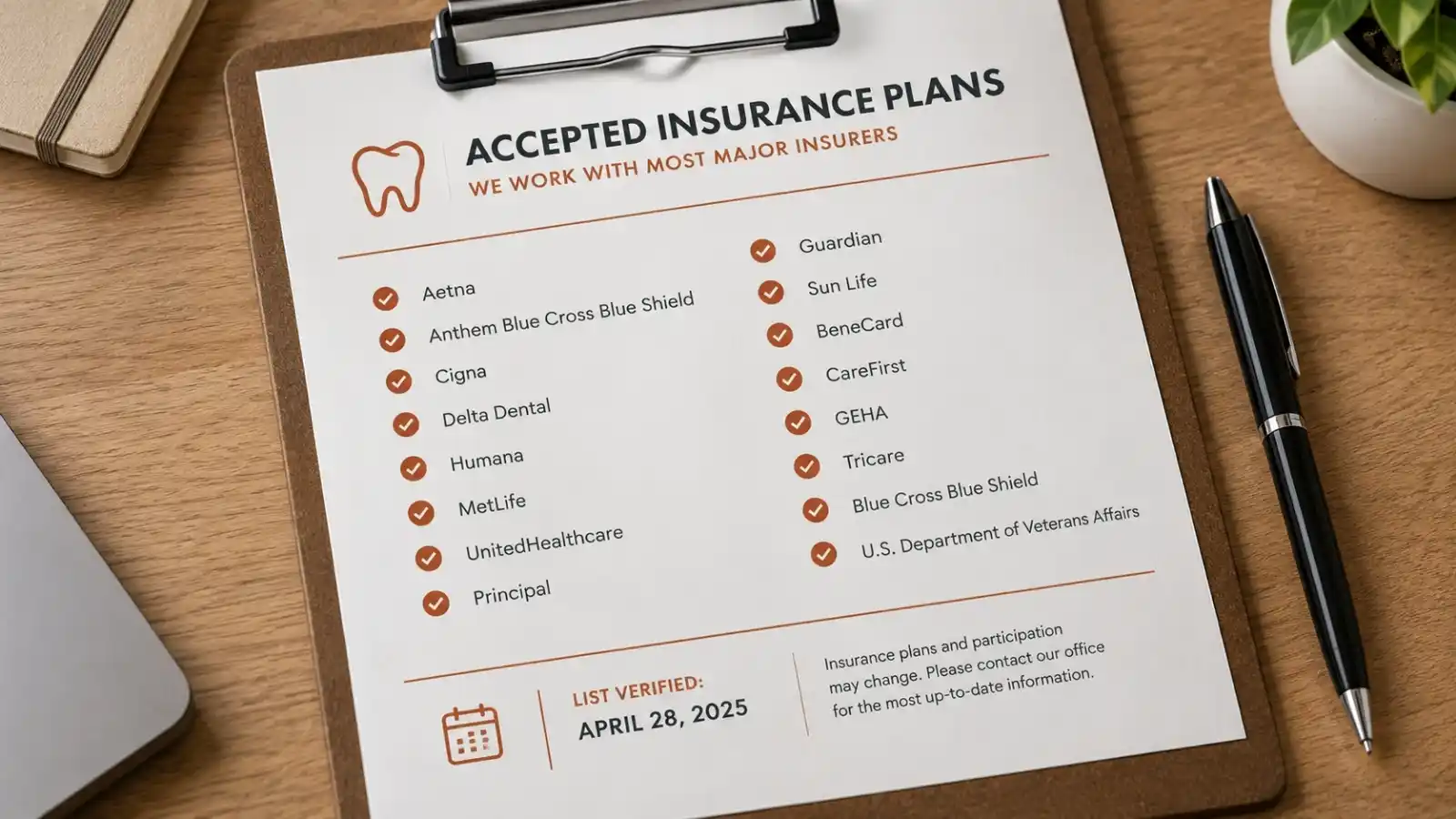
Name the plans. A list of insurers is unambiguous, it is the thing being searched for, and it is the version a directory or an assistant can use. Where the list is long, that is a strength worth showing rather than a reason to summarise it away.
Keeping the list true
Network participation changes, sometimes without much notice, and a practice listing an insurer it left eighteen months ago is making a wrong promise to exactly the patient most likely to complain about it. That risk is why practices hedge in the first place.
The answer is a date rather than a hedge. A list carrying a last verified date is honest about being a snapshot, and it lets a patient weigh it without the practice having to retreat into vagueness. Review it on a schedule and say when it was last checked.
Patients without insurance
A significant share of dental patients have no cover at all, and a page organised entirely around insurance tells them they are in the wrong place. Say what the route is for them: a membership plan, published prices, or financing, each of which is covered in its own right.
The sentence that does the work is short. Stating that the practice sees patients with and without insurance, and linking to what each should read next, keeps a large group from filtering themselves out at the first paragraph.
SEO Is My Love Language was founded by Jose Villalobos, who has spent his career on a single discipline: getting businesses found, cited, and recommended by AI search. He has been a member of Koray Tuğberk Gübür’s Holistic SEO Community since 2022, is a graduate of the Topical Authority Course, holds the Google AI Professional Certificate, and is a member of Kyle Roof’s IMG. That combination, topical authority strategy paired with rigorous on-page execution, is what our team brings to every practice we work with.
Insurance is the single strongest filter a patient applies, and it is one input to the wider dental marketing programme. Cover only answers half of the money question, so the page has to sit beside the list price behind the cover and, for the reader with no plan at all, paying for treatment without a plan behind it.
Frequently asked questions
What should a dental practice publish about insurance?
The plans it accepts, by name, and separately the plans it is in network with. Insurance appeared more often than any other attribute in our reading of how assistants describe choosing a dentist, ahead of reviews, location and clinical scope.
What is the difference between accepted and in network?
A practice can accept a plan while being out of network on it, and the two produce very different bills. Patients frequently read accepted as covered, which sets up a complaint that arrives after the first statement rather than before the first visit.
Is ‘most plans accepted’ good enough?
No. It appears on so many practice sites that it has stopped carrying information, and a patient who reads it still has to call, which is the step the sentence was written to remove. A named list is unambiguous and is what a directory or an assistant can use.
How should the list be kept accurate?
With a last verified date rather than a hedge. Network participation changes, sometimes without much notice, and a list carrying a date is honest about being a snapshot while letting a patient weigh it.
What about patients without insurance?
Say what the route is for them: a membership plan, published prices, or financing. A page organised entirely around insurance tells a large group they are in the wrong place, and one short sentence keeps them from filtering themselves out at the first paragraph.
See where your practice stands in AI answers
See where your practice stands in AI answers today and what it would take to own the answer. Book a strategy call and we will show you.