Payment Plans and Financing, and What to Say About Them
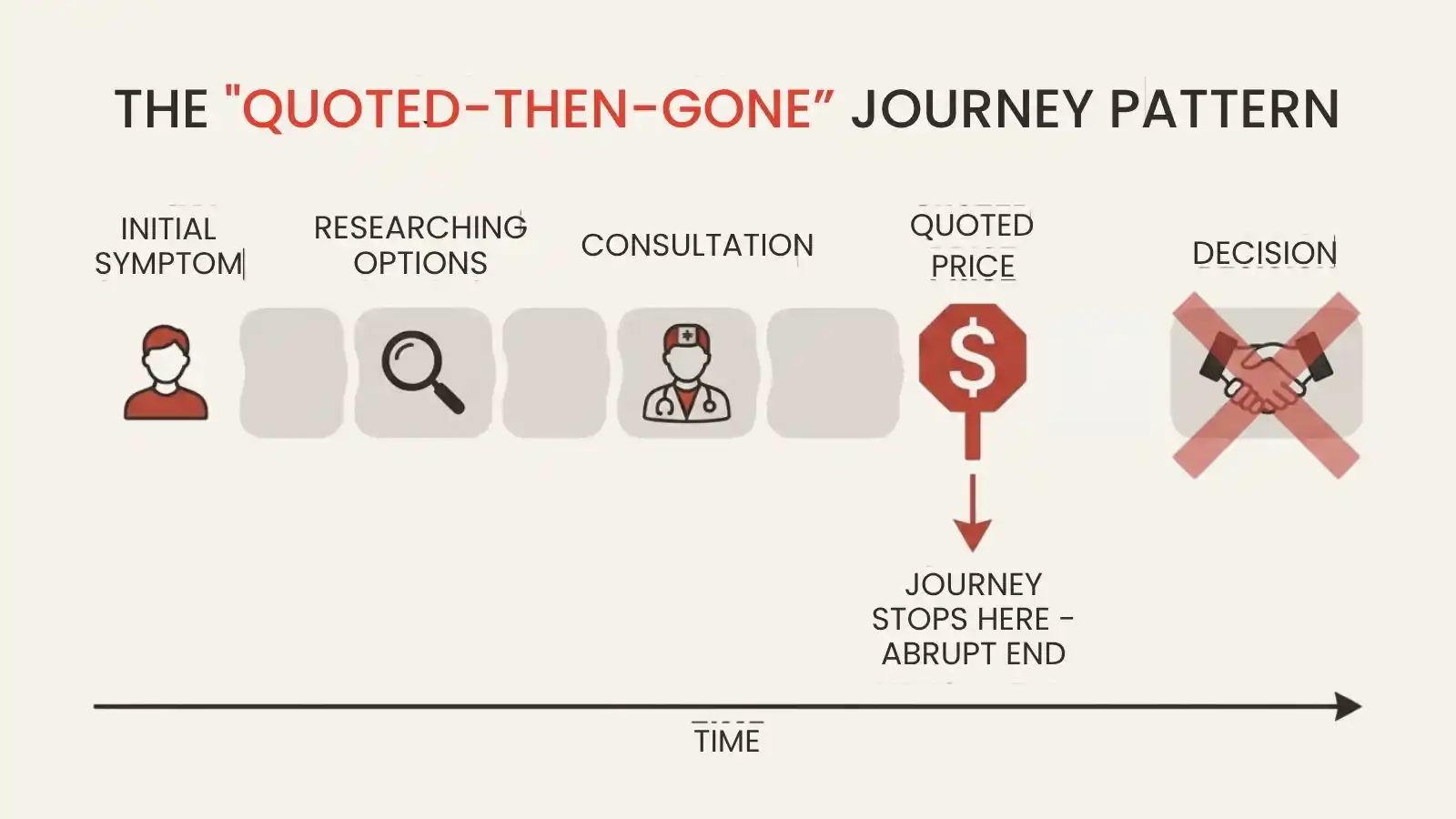
Cost stops more dental treatment than fear does, and a patient who has been quoted a figure they cannot pay in one go usually leaves rather than asking whether there is another way. Publishing how a patient can pay over time is part of what gets a practice named when someone searches with cost as the first worry. Assistants advising people how to find a dentist they can afford raise payment options directly, alongside insurance and transparent pricing, which means the reader is looking for this and most practice sites mention it in a single word.
The three routes and what each is for
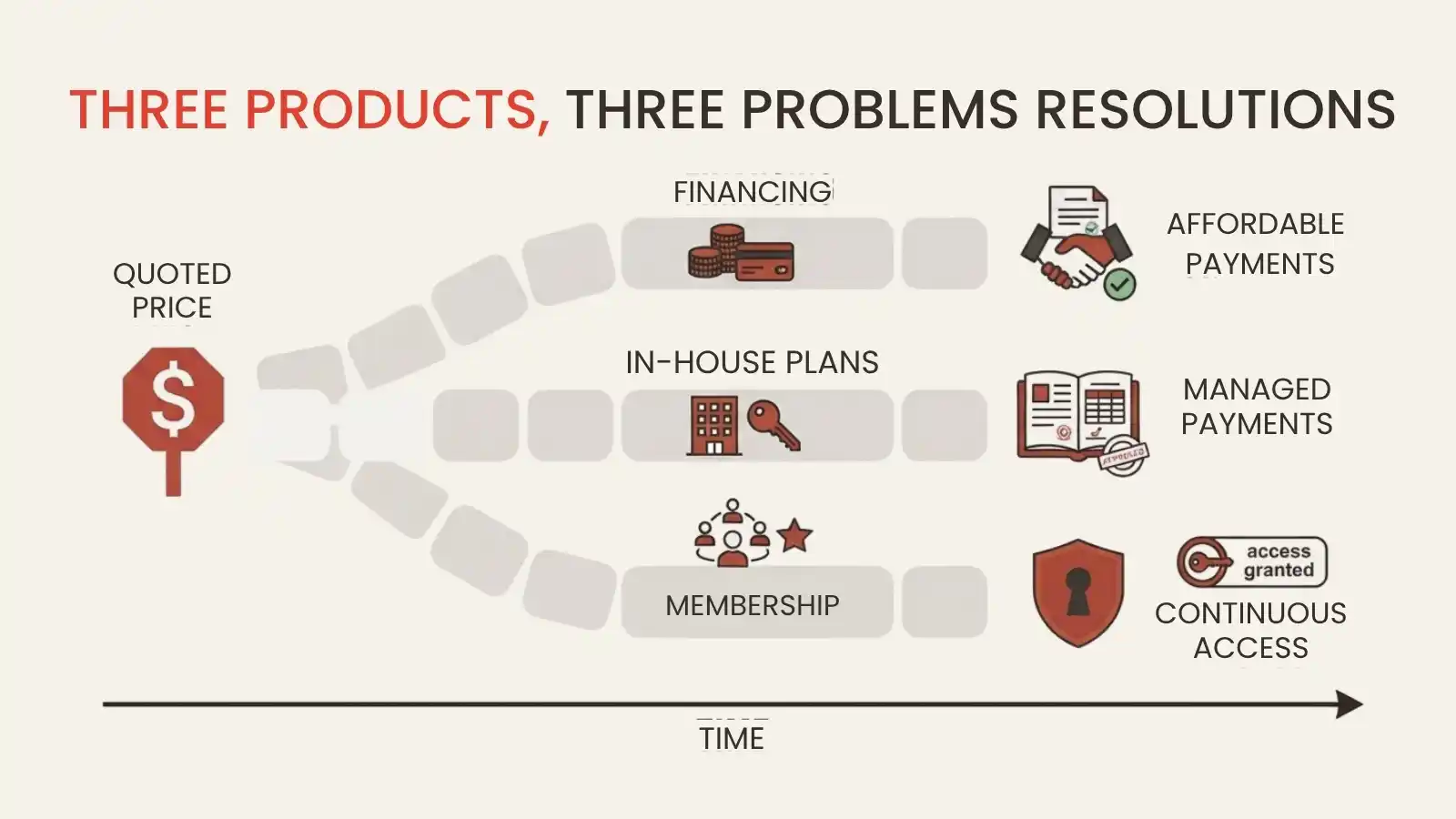
Third party financing lends the patient the money and the practice is paid in full, which suits large treatment plans and carries an application the patient may not pass. An in house payment plan spreads the cost and leaves the practice carrying the risk, which suits established patients and smaller balances. A membership plan is not credit at all: it is a subscription that replaces insurance for the uninsured.
Those are three different products solving three different problems, and a page listing them as one line of options tells a reader nothing about which applies to them.
What to publish about each
For financing, say which provider, roughly what terms exist, and that approval is not guaranteed. A patient who applies expecting approval and is declined has a worse experience than one who knew it was an application.
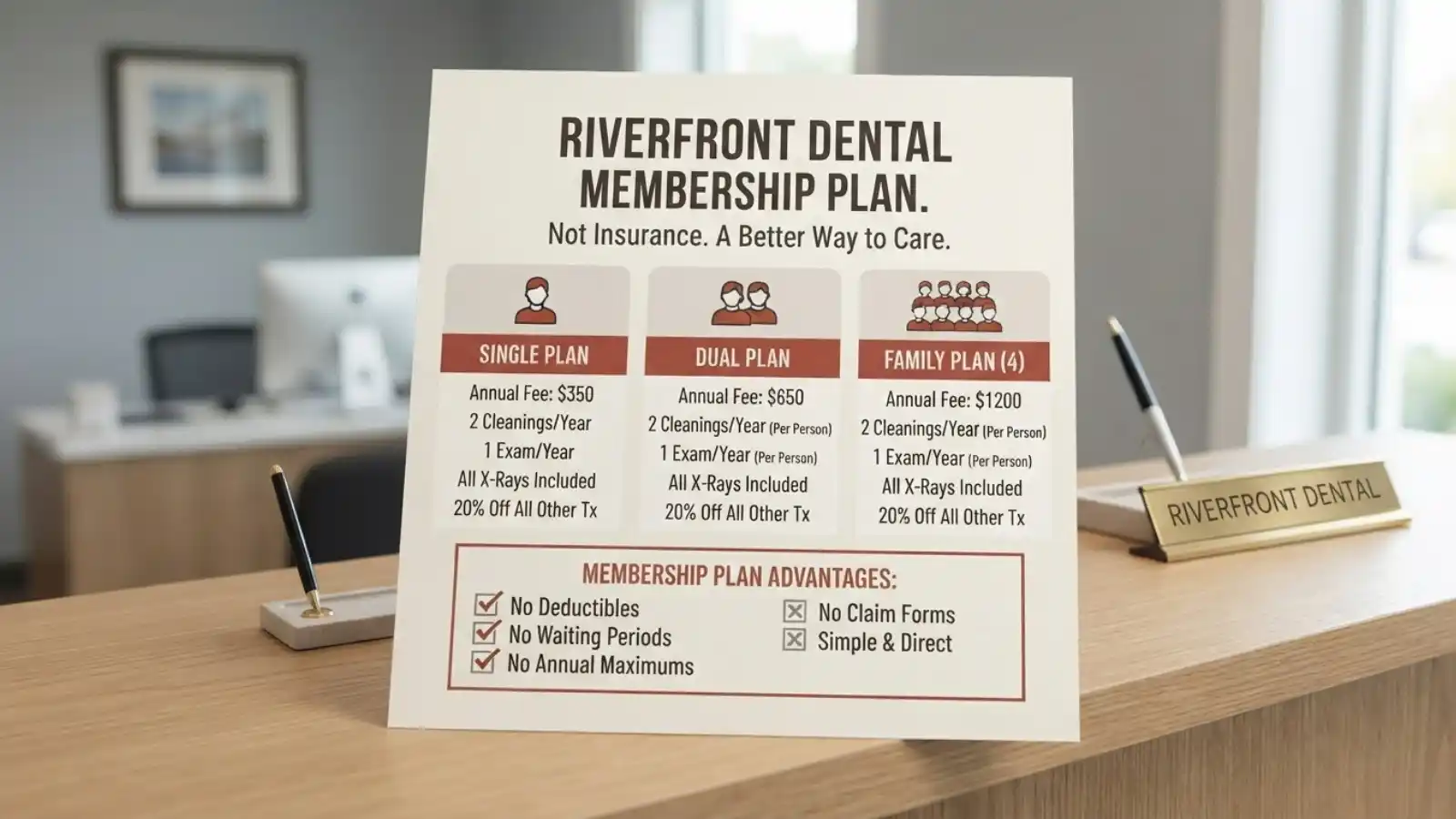
For an in house plan, say the deposit, the period and whether interest applies. For a membership plan, say the annual cost, what it includes, and plainly that it is not insurance, because patients confuse the two and the confusion is the practice’s problem when a claim is attempted.
Where it belongs
Beside the treatment, not on a billing page. A patient reading about implants is deciding about implants and the affordability question arises there, so an implant page that names the route to paying for it is answering in the place the question forms.
The same sentence at the end of a fees page is read by people already committed. Placement decides whether this content prevents a lost patient or simply documents a policy for one who stayed anyway.
What not to do
Do not imply that everyone qualifies. Approval rates are real and a page promising affordability without qualification produces a patient who has been told twice that they can afford something and twice that they cannot.
Do not lead with monthly figures that exclude the deposit or the term. A number that looks small and is not the whole picture is the fastest way to lose the trust the rest of the page was building, and dental has enough of that reputation already without a practice adding to it.
SEO Is My Love Language was founded by Jose Villalobos, who has spent his career on a single discipline: getting businesses found, cited, and recommended by AI search. He has been a member of Koray Tuğberk Gübür’s Holistic SEO Community since 2022, is a graduate of the Topical Authority Course, holds the Google AI Professional Certificate, and is a member of Kyle Roof’s IMG. That combination, topical authority strategy paired with rigorous on-page execution, is what our team brings to every practice we work with.
Financing is the last thing a patient resolves and the first thing they abandon over, and it closes a sequence that begins with the marketing work that brings a patient to this decision. It is only legible next to what the treatment costs before any plan is applied and which plans the practice is actually in network with.
Frequently asked questions
What payment options should a dental practice publish?
The three it actually offers, described separately: third party financing, an in house payment plan, and a membership plan. Those solve three different problems, and a page listing them as one line of options tells a reader nothing about which applies to them.
What is the difference between financing and an in house plan?
Third party financing lends the patient the money and the practice is paid in full, which suits large treatment plans and carries an application the patient may not pass. An in house plan spreads the cost and leaves the practice carrying the risk, which suits established patients and smaller balances.
Is a membership plan the same as insurance?
No, and it should be said plainly. A membership plan is a subscription that replaces insurance for the uninsured. Patients confuse the two and the confusion becomes the practice’s problem when a claim is attempted.
Where should payment options appear?
Beside the treatment rather than on a billing page. A patient reading about implants is deciding about implants and the affordability question arises there. The same sentence at the end of a fees page is read by people already committed.
What should a practice avoid saying about financing?
That everyone qualifies. Approval rates are real, and promising affordability without qualification produces a patient told twice that they can afford something and twice that they cannot. Also avoid monthly figures that exclude the deposit or the term.
See where your practice stands in AI answers
See where your practice stands in AI answers today and what it would take to own the answer. Book a strategy call and we will show you.